Lake Erie in the 1900s


Step into the 20th century to see how the region transformed into a massive industrial powerhouse, fueling the American war effort and driving unmatched manufacturing might.

Sept. 6, 1901
President William McKinley is mortally wounded at the Pan-American Exposition in Buffalo.
Don't Miss: Artifacts from the fair, including the gun used to shoot President McKinley, are housed in the Buffalo Museum of History, which was the only permanent building designed for the Pan-American Exposition.
Dec. 17, 1903
Ohio inventors Wilbur and Orville Wright launch the first powered flight in Kitty Hawk, North Carolina.
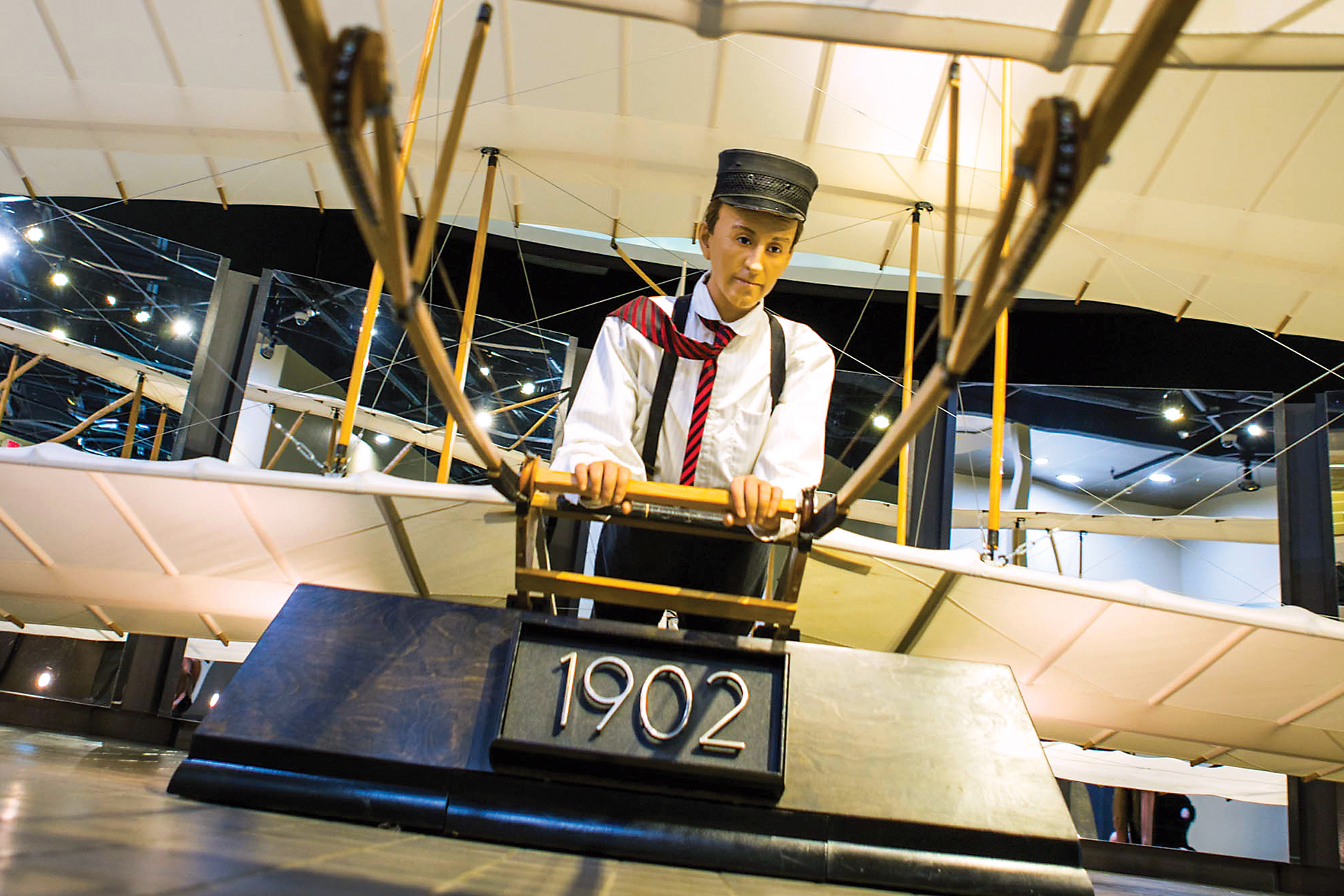
Don't Miss: Dayton, Ohio, was the center of development and training for the Wright Brothers. The Dayton Aviation Heritage National Historical Park consists of distinct locations around the city that highlight their accomplishments, including the Wright Cycle Company Complex and Huffman Prairie Flying Field, where the inventors perfected powered, controlled flights after their first historic flight.
Oct. 1, 1908
The Ford Model T launches in Detroit, revolutionizing mobility and mass production.
Aug. 5, 1914
The world’s first electric traffic light goes into service in Cleveland.
Jan. 17, 1920
Prohibition goes into effect, outlawing the manufacture, sale and transport of alcohol.
Did You Know? Prohibition reshaped the Lake Erie region, shuttering many long-established breweries, distilleries and wineries as the legal alcohol trade collapsed. Some found creative ways to survive. Heineman’s Winery on Put-in-Bay scraped by from selling grape juice and leading tours of its on-site Crystal Cave. Meanwhile, border towns along the lake transformed into hubs for smuggling. Under cover of darkness, rum runners ferried liquor across the lake, supplying the bustling speakeasies of Detroit, Cleveland and Buffalo.

Don't Miss: Ohio’s oldest family-owned winery, Heineman’s, has operated since 1888 on the Ohio island of Put-in-Bay.
Aug. 18, 1920
The 19th Amendment is ratified, granting women the right to vote.
Oct. 29, 1929
The stock market crashes, and the Great Depression begins.
March 4, 1933
President Franklin D. Roosevelt takes office and launches the New Deal, bringing public works projects to Depression-hit cities, including Toledo, Cleveland and Buffalo.
April 18, 1938
Written by Clevelanders Jerry Siegel and Joe Shuster, Superman makes his comic book debut.
Mark the Calendar: More than 250 free movies will be shown in all 88 counties of Ohio as part of Ohio’s official commemoration of America’s 250th anniversary. Watch Superman at AMC Westwood Town Center in Rocky River, Ohio, on Sept. 18.
1941-1945
The steel cities along Lake Erie roar with nonstop production to forge tanks, ships, aircraft parts and munitions that are crucial to the war effort.
Did You Know? Detroit earns the nickname “Arsenal of Democracy” for its wartime automobile production.
June 6, 1944
Operation Overlord commences with airborne and amphibious assaults by Allied Forces that lead to the successful liberation of German-occupied western Europe.
Mark the Calendar: Every summer, reenactors from across the country come together, this year on Aug. 13-15, in Conneaut, Ohio, for the largest D-Day event in the U.S.
1951
Cleveland D.J. Alan Freed coins the phrase “rock and roll” to describe rhythm and blues music to a largely white audience.
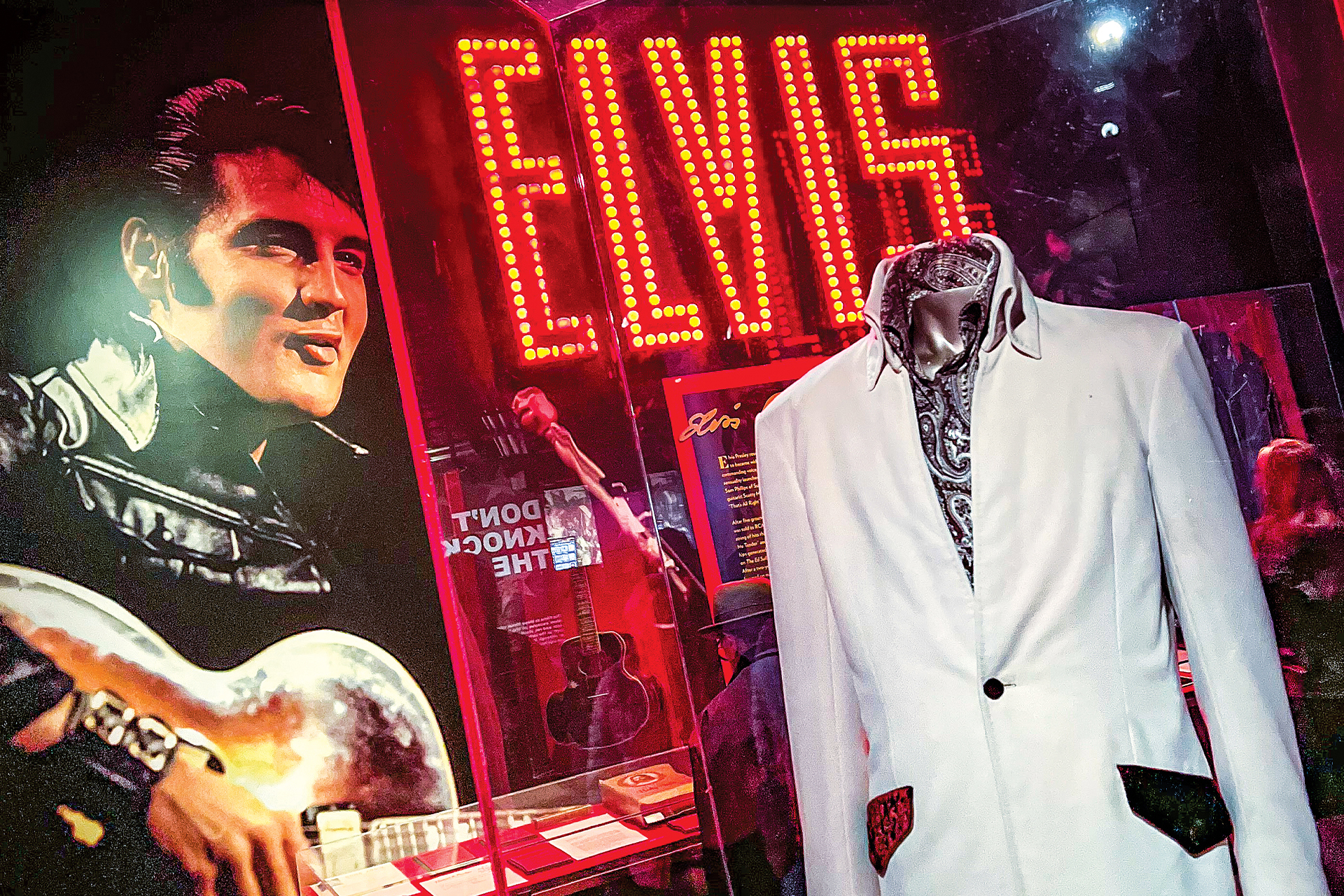
Don't Miss: Located on the lake in Cleveland, The Rock & Roll Hall of Fame is packed with bold exhibits and iconic memorabilia from musical legends who shaped musical history.
Jan. 12,1959
Berry Gordy Jr. starts Motown Records in Detroit, launching artists like Stevie Wonder, The Supremes and Marvin Gaye.
Don't Miss: The Motown Museum in Detroit is home to the recording studio where R&B legends like The Jackson 5 and countless other crafted catchy R&B tunes.
March 4, 1964
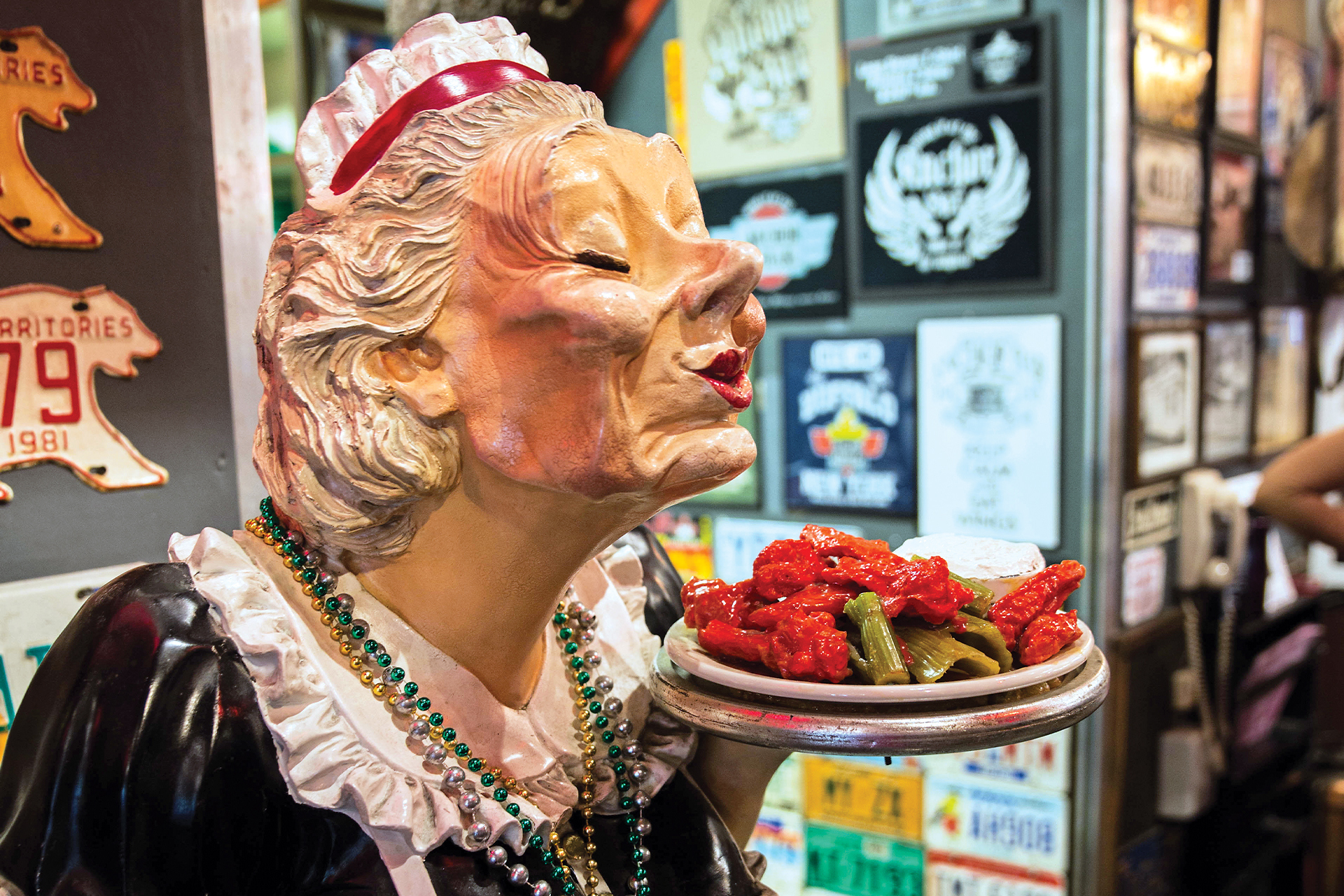
The Buffalo wing is created at the Anchor Bar in Buffalo when bar owner Teressa Bellissimo fries chicken wings and tossed them in a spicy cayenne sauce.
July 23, 1967
The Detroit Riots begin, sparked by a police raid on an unlicensed bar.
June 22, 1969
The Cuyahoga River catches fire in Cleveland, sparking national outrage and leading to the creation of the Clean Water Act.
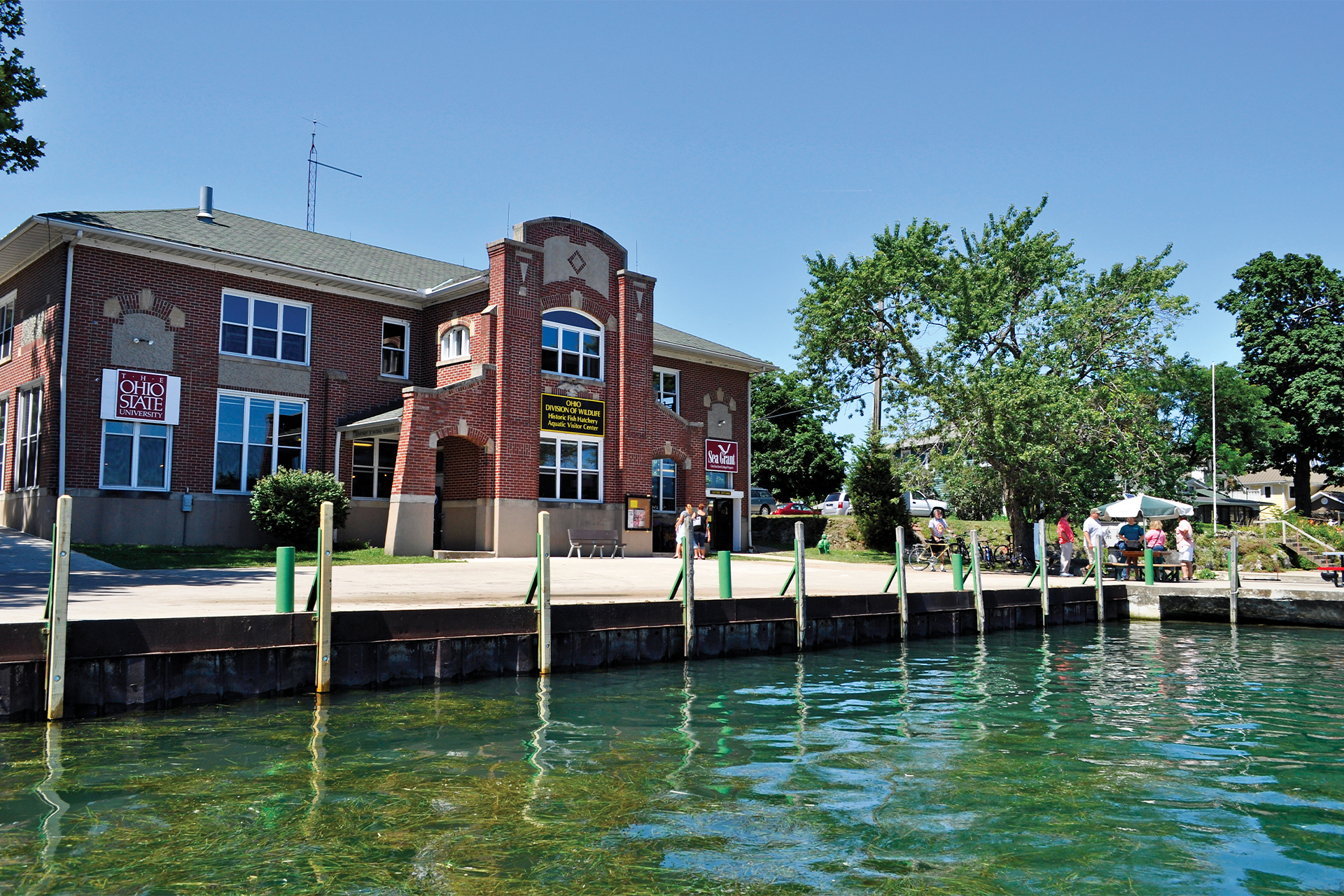
Don't Miss: This newly renovated Aquatic Visitors Center in Put-in-Bay, Ohio, features educational displays about the aquatic life, invasive species and ongoing efforts to protect and understand Lake Erie’s environment. Perhaps the biggest draw is the free fishing program for kids ages 15 and under.
July 20, 1969
Ohioan Neil A. Armstrong becomes the first person to walk on the Moon.
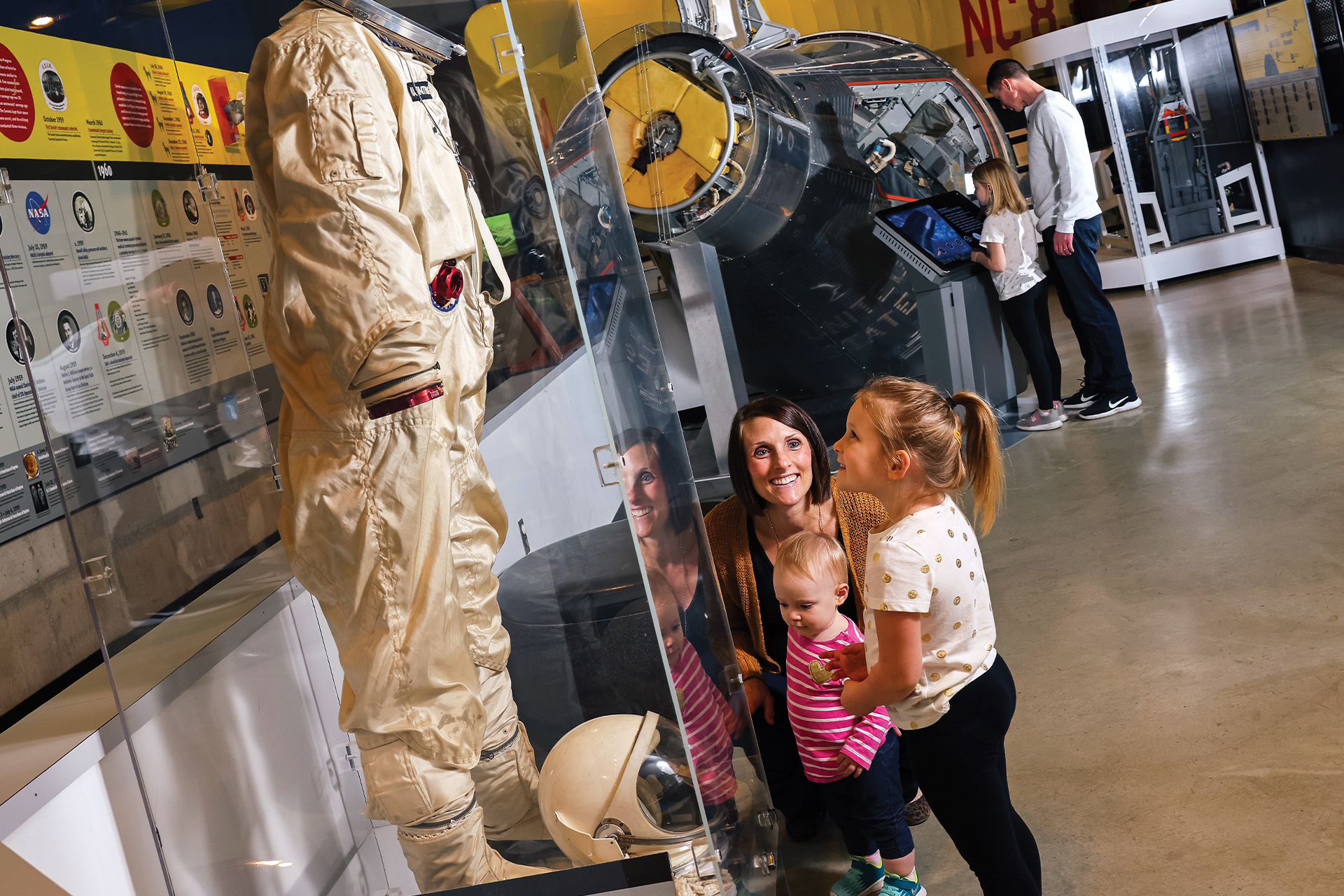
Don't Miss: Designed to look like a futuristic moon base, the Armstrong Air & Space Museum in Wapakoneta, Ohio, has original spacecraft and artifacts on display, including a real moon rock and the space suit worn by local hero Neil Armstrong.
NASA’s Glenn Visitors Center at the Great Lakes Science Center in Cleveland offers hands-on exhibits that blend STEM fun with space adventure. Kids can even climb inside an Apollo-era capsule.
1970s
The decline of heavy industry hits industrial cities.
April 22, 1970
The first Earth Day is held.
Dec. 31, 1972
The nationwide ban on the pesticide DDT — which had catastrophic effects on birds of prey, including bald eagles — goes into effect.
Mark the Calendar: The Biggest Week in American Birding, held May 8-17 in northwest Ohio, is often described as the biggest birding festival in the world, offering guided hikes, keynote speakers, a bird tattoo contest and more.
How Lake Erie Shaped U.S. History

Step back in time for America's 250th anniversary to honor the people, places and historic moments that made Lake Erie essential to our nation's story.
Lake Erie in the 1700s

As America marks its 250th birthday, discover how 18th-century frontier expansion and colonial clashes along Lake Erie set the stage for a new nation.
Lake Erie in the 1800s

From Oliver Hazard Perry's naval victory to the rise of bustling port cities, find out how our Great Lake helped secure and forge a stronger nation during the 19th century.
Lake Erie in the 2000s

Explore Lake Erie’s 21st-century journey through profound national tragedies, environmental awakenings, and a triumphant era of rust-belt revitalization along its historic waterfronts.